Diagnosis of urinary infections occurs from routine urine labs, urine cultures, occasionally using ultrasound or blood labs for major cases. Diagnostics indicate the type of antibiotic treatment and the bacteria responsible. When you receive the correct diagnostic tests and the appropriate individual treatment plans will assist you with your recovery and help to stop your infections from returning.
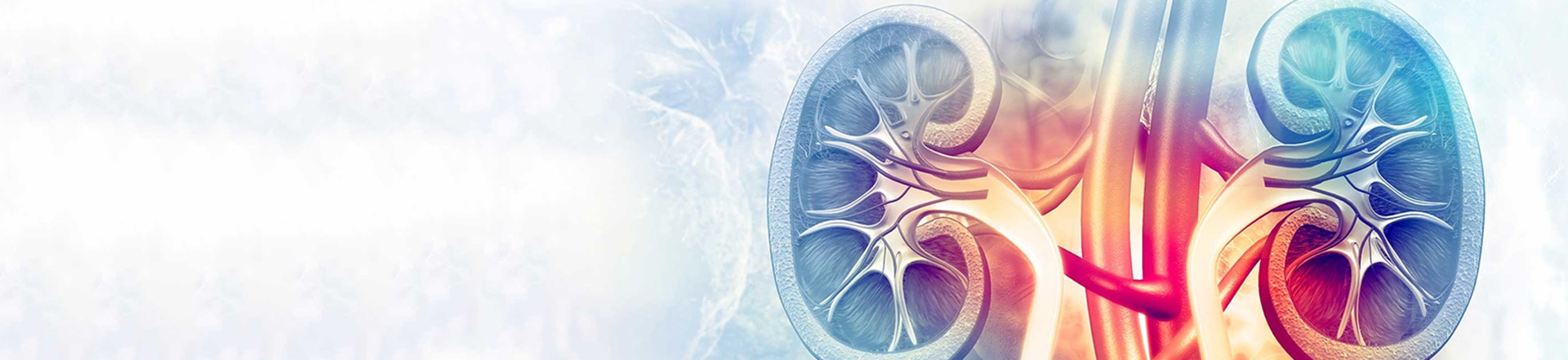
If you are experiencing your urinary tract issues, which include kidneys, bladder, urethra and ureters, your general care physician may refer you to The Best Urologist Near Me in Thane for care.
Urologists are educated to handle:
Furthermore, urologists are competent to perform a variety of urinary-related surgeries, including:
Most urologists are in private practice. Others focus on certain areas of urology’s subspecialty. The American Urological Association includes seven distinct subspecialties:
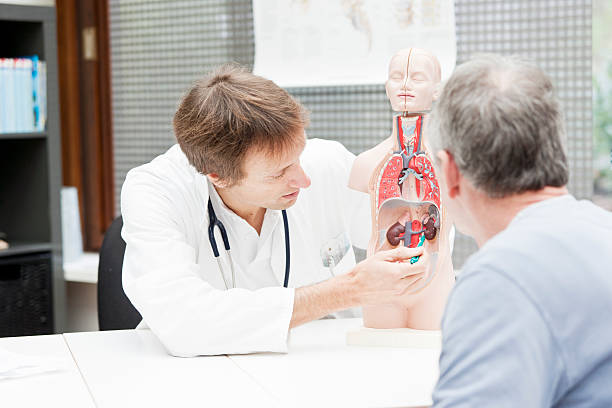
The urologist typically collects a patient's medical history by questioning them and conducting a physical examination. They may also review any written documentation provided by the referring physician.
In addition to this information, they may request specific tests to be completed.
Urodynamic tests can evaluate the amount of residual urine present in the bladder following voiding, the flow rate of urine exiting the body, and the pressure in the bladder while voiding.
After diagnosis, treatment options will depend on your diagnosis. Surgical and medication management can also be viable options. Treatment is customized for each patient, based on their diagnosis, and includes both medications and surgical therapies as they relate to recovery, when performed by the Best Urologist Near Me in Thane.
Urologists can provide you with "behavioral training" in addition to providing you with a prescription for medication. For instance, if you have issues in controlling your urination, exercise programs that increase your pelvic floor strength may allow you to learn how to control your urination. You can be confident that when you visit the Best Urologist Near Me Thane, you will receive a personalized approach with effective treatment options available to you.
Urologists also have the capability of performing a variety of procedures. Some of these procedures are performed in their offices; however, some procedures will be completed within a hospital as well.
The Urologist will utilize specific instruments that are routinely performed by the doctor for diagnostic purposes. The following are major tests done by Urologists:
In lots of cases, your regular physician can help to manage and treat (some) mild urinary tract issues. But in the event of more serious or long-lasting problems, then you'll want to visit a qualified urologist for assistance.
Some signs that you might need to seek treatment from a urologist are the following:
Check with your health insurer; many plans will require a referral from your PCP before they allow you to see a urologist, especially if you are looking for the Best Urologist Near Me in Thane.
Becoming a urologist requires a lengthy course of education, training, and experience, as urologists have completed four years of medical school and at least one year of residency, plus additional super-specialty training, such as a Master of Surgery or Doctor of Medicine. Additionally, urologists use state-of-the-art techniques to help patients with kidney stones, prostate problems, urinary tract infections, male infertility, erectile dysfunction, and other medical conditions. If you are looking for the Best Urologist Near Me in Thane, you want to select a urologist with significant experience, state-of-the-art technology, and a focus on patient care—this will help ensure an accurate diagnosis and effective treatment plan.