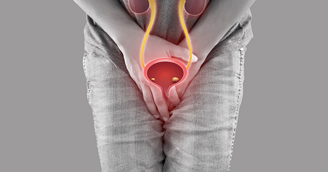
What is Urinary Incontinence?
Urinary incontinence is the involuntary leakage of urine due to loss of bladder control. It is a common condition that can affect both men and women, especially with aging.
Although it can be embarrassing, urinary incontinence is treatable with proper medical care.
Types of Urinary Incontinence
- Stress Incontinence – Leakage during coughing, sneezing, or physical activity
- Urge Incontinence – Sudden intense urge to urinate
- Overflow Incontinence – Frequent dribbling due to incomplete bladder emptying
- Functional Incontinence – Physical or mental impairment affecting timely urination
Common Causes
- Weak pelvic floor muscles
- Enlarged prostate in men
- Urinary tract infections
- Neurological disorders
- Diabetes
- Aging-related bladder changes
Diagnosis and Tests
Accurate diagnosis helps determine the type and cause of incontinence.
- Medical history and physical examination
- Urine analysis
- Ultrasound
- Uroflowmetry
- Urodynamic studies (if required)
Management and Treatment
Treatment depends on the type and severity of the condition.
- Pelvic floor exercises (Kegel exercises)
- Medications
- Bladder training techniques
- Treatment of underlying prostate issues
- Minimally invasive surgical procedures (if required)
With timely evaluation and appropriate treatment, bladder control can significantly improve.
Prevention and Lifestyle Advice
- Maintain healthy weight
- Avoid excessive caffeine intake
- Strengthen pelvic floor muscles regularly
- Manage chronic conditions like diabetes
Consult an experienced urologist for personalized evaluation and effective treatment plan.