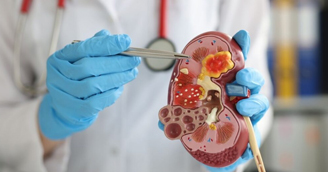
What is a Kidney Stone?
A kidney stone is a hard deposit made of minerals and salts that form inside the kidneys. These stones develop when urine becomes concentrated, allowing minerals to crystallize and stick together.
Kidney stones can vary in size and may cause severe pain when passing through the urinary tract.
What Causes Kidney Stones?
Kidney stones can develop due to several factors:
- Dehydration or low fluid intake
- High salt or high protein diet
- Family history of kidney stones
- Obesity
- Urinary tract infections
- Certain metabolic disorders
Symptoms of Kidney Stones
- Severe pain in the lower back or side
- Pain during urination
- Blood in urine
- Nausea and vomiting
- Frequent urge to urinate
- Fever and chills (in case of infection)
Diagnosis and Tests
To diagnose kidney stones, the following tests may be recommended:
- Urine analysis
- Blood tests
- Ultrasound
- CT Scan
- X-ray (if required)
Management and Treatment
Treatment depends on the size, type, and location of the stone.
- Increased fluid intake for small stones
- Pain management medications
- Medical therapy to help pass stones
- Laser stone removal (URS)
- PCNL (Percutaneous Nephrolithotomy) for large stones
- Minimally invasive endoscopic procedures
Advanced minimally invasive techniques ensure faster recovery and reduced hospital stay.
Prevention
You can reduce the risk of kidney stones by:
- Drinking 2–3 liters of water daily
- Reducing salt intake
- Maintaining a balanced diet
- Managing weight
- Regular medical check-ups if prone to stones