Kidney Stones – Causes, Symptoms & Modern Treatment

Kidney Stones Causes Symptoms Treatment

Understanding Kidney Stones

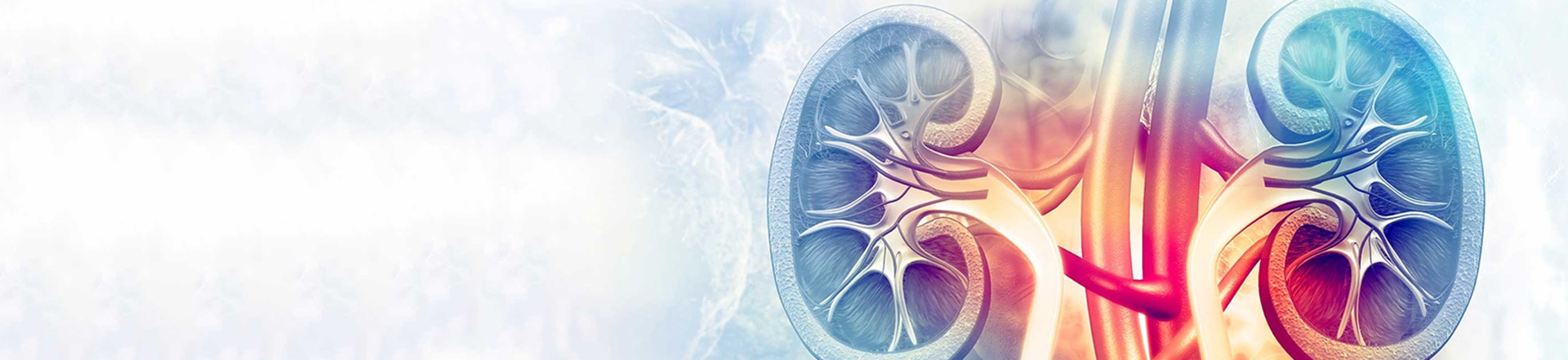
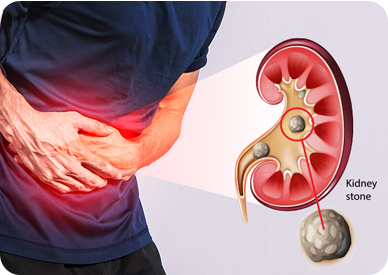
Kidney stones are hard mineral and salt deposits that form inside the kidneys when urine becomes concentrated. They vary in size — from tiny crystals to larger stones that may block the urinary tract.

Although small stones may pass naturally, larger stones can cause intense pain and require medical treatment.


What Causes Kidney Stones?

Kidney stones develop due to several contributing factors:

  • Inadequate water intake (dehydration)
  • High salt or high protein diet
  • Family history of kidney stones
  • Obesity and metabolic disorders
  • Recurrent urinary tract infections
  • Certain medical conditions affecting calcium or uric acid levels

Common Symptoms of Kidney Stones

  • Severe pain in the lower back or side (renal colic)
  • Pain that radiates to the lower abdomen or groin
  • Burning sensation while urinating
  • Blood in urine
  • Nausea and vomiting
  • Frequent urge to urinate

Severe pain accompanied by fever or chills may indicate infection and requires urgent medical attention.


Diagnosis of Kidney Stones

Accurate diagnosis is essential for selecting the appropriate treatment plan.

  • Urine analysis
  • Blood tests
  • Ultrasound
  • CT Scan

Modern Treatment Options

Advancements in urology now allow kidney stones to be treated safely with minimally invasive techniques.

  • Increased fluid intake for small stones
  • Medications to help pass stones
  • Laser Ureteroscopy (URS) for precise stone removal
  • RIRS (Retrograde Intrarenal Surgery) for kidney stones without large incisions
  • PCNL for large or complex stones

These modern techniques ensure minimal pain, shorter hospital stay, and faster recovery.


Prevention Tips

  • Drink 2–3 liters of water daily
  • Reduce salt intake
  • Maintain balanced diet
  • Regular health check-ups if prone to stones

Conclusion

Kidney stones are a common yet painful condition. Early diagnosis and modern minimally invasive treatments make management safer and more effective than ever before.

If you experience symptoms suggestive of kidney stones, consult a qualified urologist promptly for evaluation and personalized care.

Book Appointment