
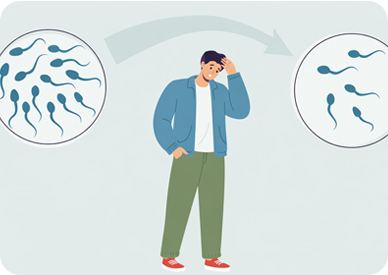
Male infertility is a common yet often misunderstood medical condition. In many cases, difficulty in achieving pregnancy is not solely a female issue — male factors contribute to nearly 40–50% of infertility cases.
With advancements in medical science, most causes of male infertility can be diagnosed accurately and treated effectively.
Fact: Male factors play a significant role in infertility. Low sperm count, poor sperm motility, hormonal imbalance, or structural issues can all affect fertility. Evaluation of both partners is essential.
Fact: A man may appear perfectly healthy and still have fertility issues. Infertility often has no visible symptoms and is usually diagnosed through semen analysis and medical evaluation.
Fact: Even with a low sperm count, pregnancy is possible. With appropriate medical treatment, lifestyle changes, or assisted reproductive techniques, many couples successfully conceive.
Fact: While men remain fertile longer than women, sperm quality and quantity can decline with age. Advanced paternal age may also increase certain risks.
Fact: Smoking, excessive alcohol consumption, obesity, stress, poor diet, and exposure to heat or toxins can significantly affect sperm health. Lifestyle modifications often improve fertility outcomes.
If a couple has been trying to conceive for over 12 months without success, medical evaluation is recommended. Early consultation improves treatment success rates and reduces emotional stress.
Male infertility is a medical condition — not a stigma. Understanding the facts and seeking timely medical care can make a significant difference. Modern diagnostic tools and treatment options provide hope and effective solutions for many couples.
Consult a qualified urologist for comprehensive evaluation, personalized guidance, and confidential treatment.